
17th BIFFes 2026
Jan 29th - 06th Feb 2026
"Woman: Shared Sensibilities, A Collective Voice for Equality"

THAAYI SAHEBA
ತಾಯಿ ಸಾಹೇಬ
The film is based on the story of a Brahmin family during the pre-independence and post-independence periods of India. The protagonist, Narmada Thayi, is the second wife of Appa Sahib, a freedom fighter. The childless couple decide to adopt the child of Venkobanna, a close relative. Venkobanna has other plans in mind when he gives up his child for adoption. He calculates that his son will inherit the family's money and property
ಚಿತ್ರವು ಭಾರತದ ಸ್ವಾತಂತ್ರ್ಯಪೂರ್ವ ಮತ್ತು ಸ್ವಾತಂತ್ರ್ಯೋತ್ತರ ಕಾಲದ ಬ್ರಾಹ್ಮಣ ಕುಟುಂಬವೊಂದರ ಕತೆಯ ಮೇಲೆ ಆಧಾರಿತವಾಗಿದೆ. ನಾಯಕಿ ನರ್ಮದಾ ತಾಯಿ, ಸ್ವಾತಂತ್ರ್ಯ ಹೋರಾಟಗಾರ ಅಪ್ಪಾ ಸಾಹೇಬ ಎಂಬಾತನ ಪತ್ನಿ. ಸ್ವಂತ ಮಕ್ಕಳಿಲ್ಲದ ಈ ದಂಪತಿ ವೆಂಕೋಬ ಎಂಬ ಹತ್ತಿರದ ಸಂಬಂಧಿಯ ಮಗುವನ್ನು ದತ್ತು ತೆಗೆದುಕೊಳ್ಳಲು ನಿರ್ಧರಿಸುತ್ತದೆ. ಆದರೆ, ತನ್ನ ಮಗುವನ್ನು ದತ್ತು ನೀಡುವ ವೆಂಕೋಬನ ಮನಸ್ಸಿನಲ್ಲಿ ಬೇರೆಯೇ ಯೋಜನೆಗಳಿರುತ್ತದೆ. ಅವನು ತನ್ನ ಮಗನು ಆ ಕುಟುಂಬದ ಹಣ ಮತ್ತು ಆಸ್ತಿಯ ವಾರಸುದಾರನಾಗುತ್ತಾನೆ ಎಂದು ಲೆಕ್ಕಾಚಾರ ಹಾಕುತ್ತಿರುತ್ತಾನೆ.
Producer(s) or Production Company:
Jayamala
Screenplay:
Girish Kasaravalli
Director of Photography:
H. M. Ramachandra Halkere
Editor :
M. N. Swamy
Music :
Isaac Thomas Kottukappally
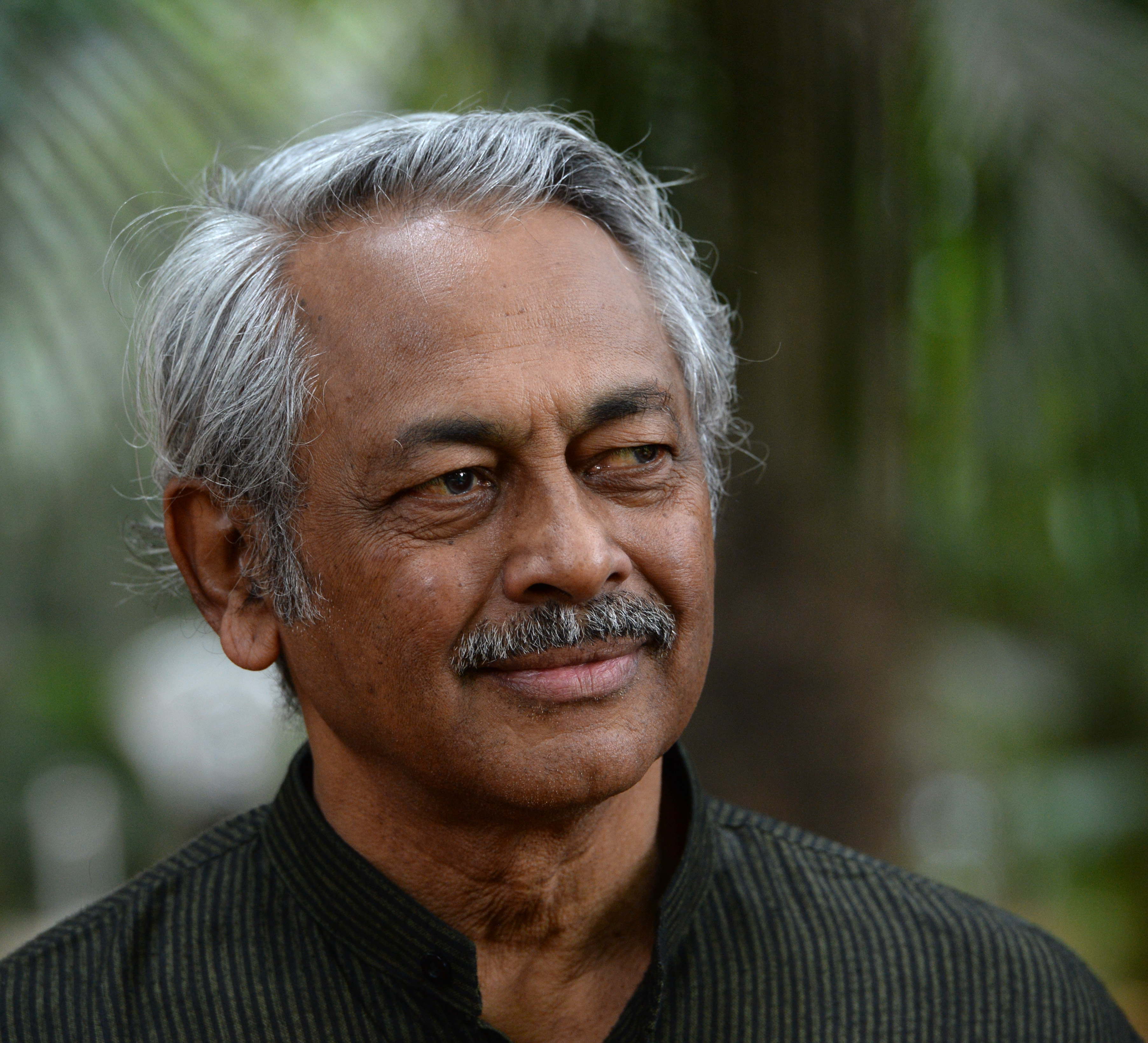
Girish Kasaravalli (b.1950, Kesalur). A graduate of the Film and Television Institute of India (FTII), he began his career as an assistant to B.V. Karanth. To measure Girish Kasaravalli’s cinematic journey is not merely to count decades, but to map the depths of the human conscience. A filmmaker who understands that the most profound truths are often found in the whispers between words, and the shadows between lights. He peels back the layers of socio-religious orthodoxy, bureaucratic absurdity, and the encroaching chaos of modernity to reveal the fragile, beating heart of the individual underneath. From his highly significant debut, GHATASHRADDHA (1977), to the atmospheric brilliance of DWEEPA (2002), Whether exploring the crushing weight of bureaucracy in TABARANA KATHE (1987) or the changing tides of social history in THAAYI SAHEBA (1997). Kasaravalli forces the audience to confront uncomfortable truths about caste, gender, and tradition. His work has been defined by refusal to sensationalize. Instead, he employs an anthropologist’s eye and a poet’s heart to dissect the human condition. A recipient of the Padma Shri and the Puttanna Kanagal Award, he is celebrated internationally for his philosophical and visually evocative storytelling.